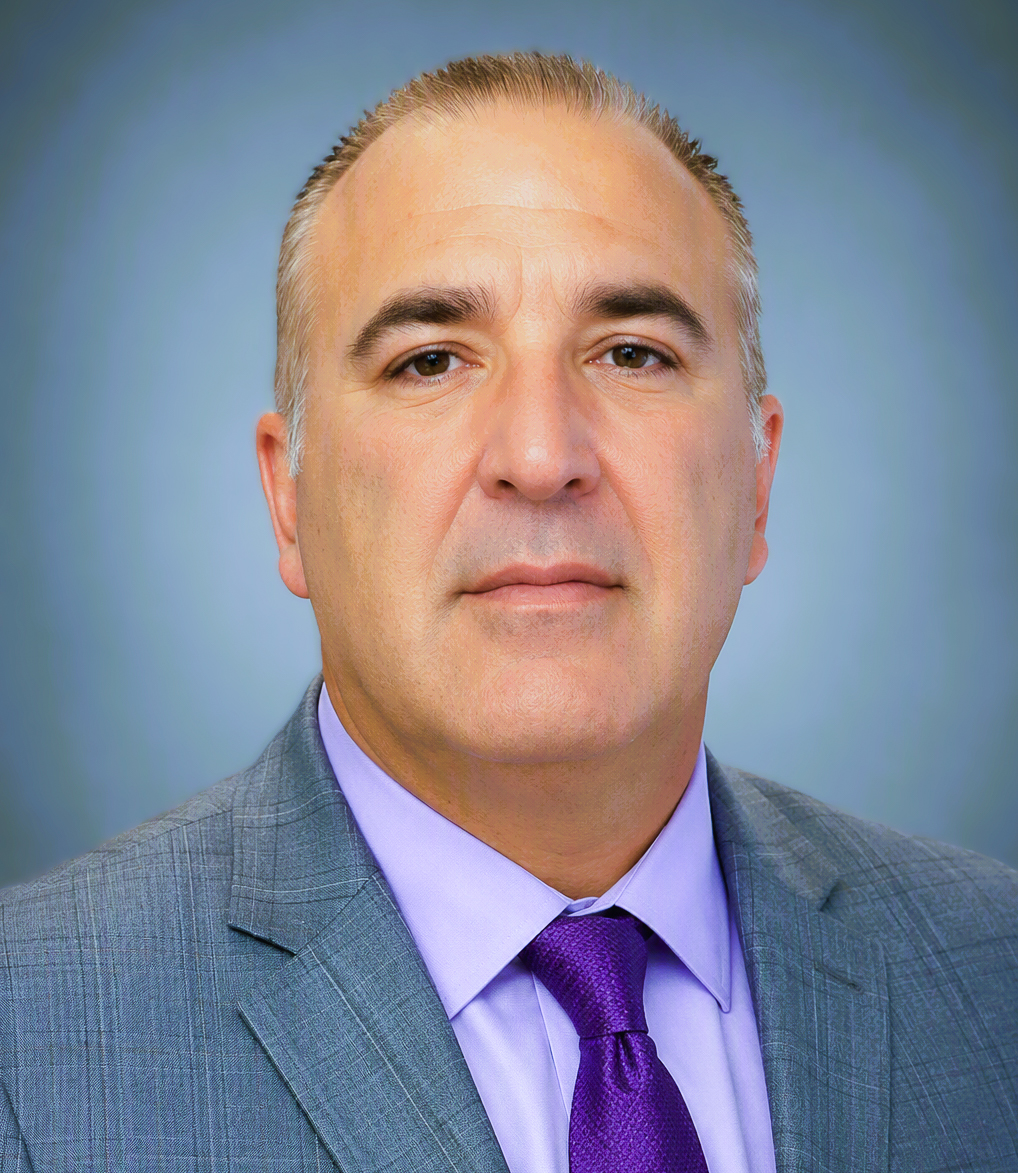
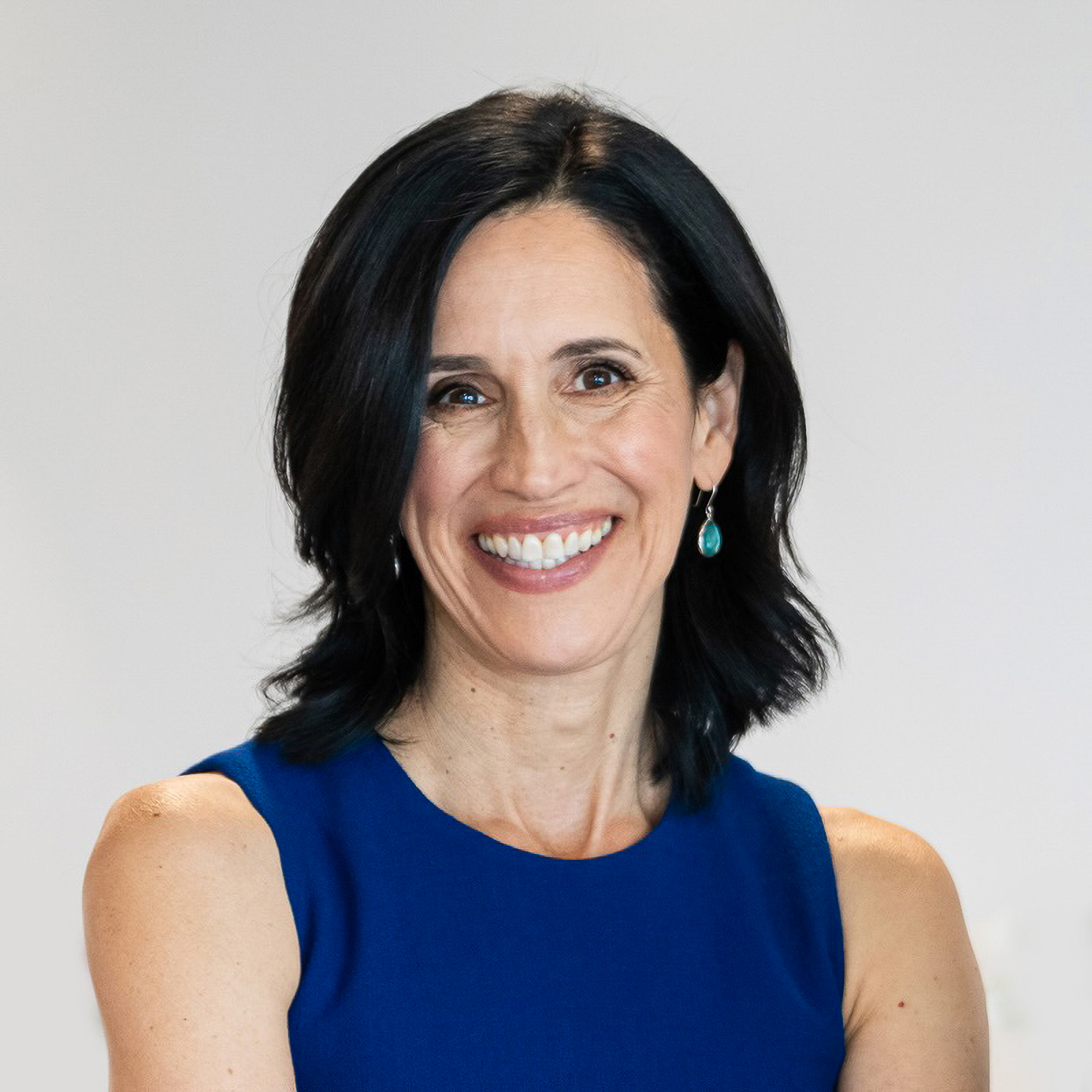
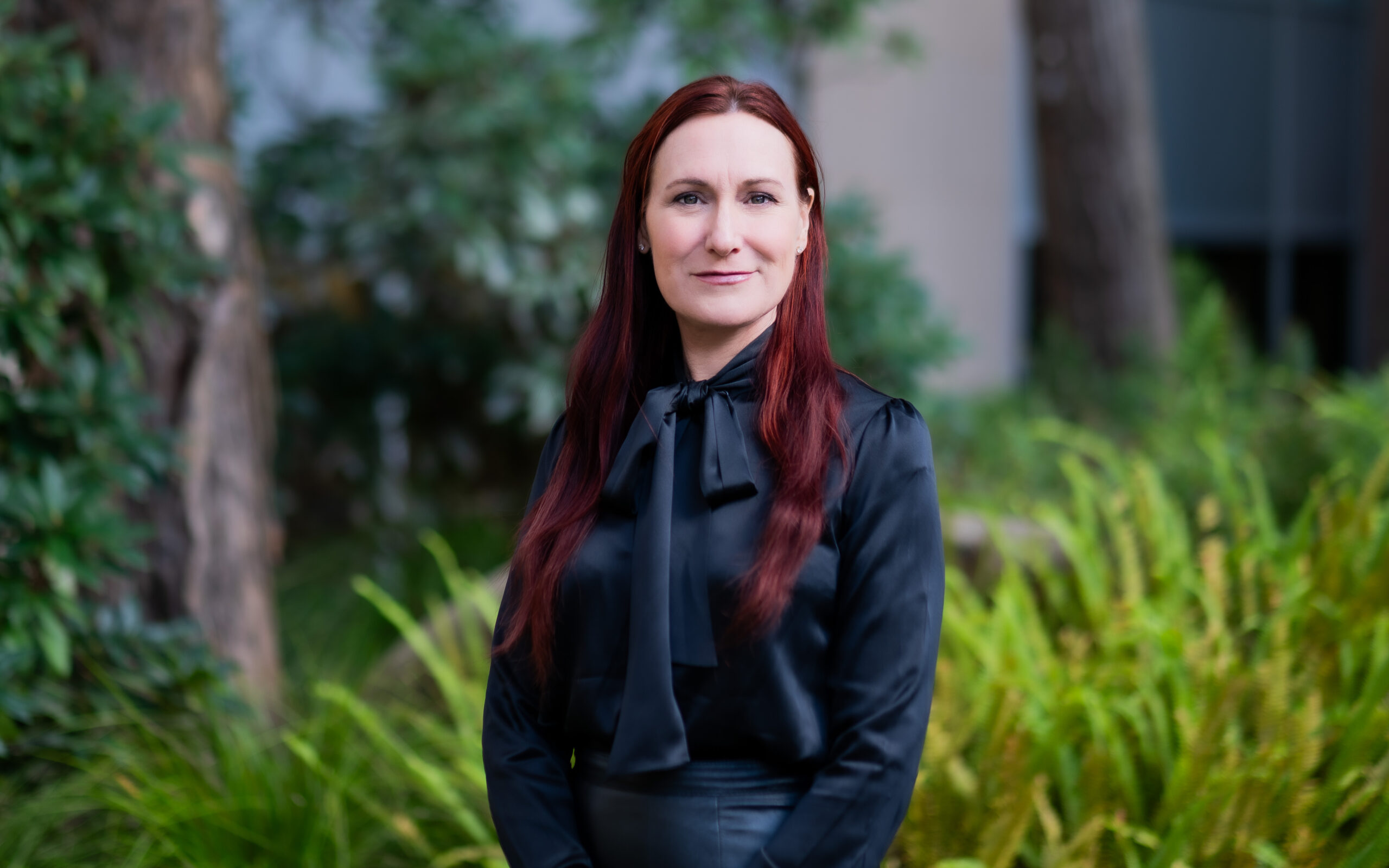
In this episode of Quality Matters, host Tsveta Polhemus sits down with Sharon Meers, co-founder and president of Midi Health, and Greg Smith, director of operations at Evernorth Health Services, to explore an often-overlooked challenge affecting patient access to care: credentialing.
As healthcare becomes increasingly virtual and multi-state, traditional credentialing systems are struggling to keep pace. Sharon and Greg discuss the real-world impact of lengthy provider onboarding timelines, the operational challenges facing both providers and payers, and the growing need for more efficient, scalable credentialing models. The conversation explores delegated credentialing, trust between organizations, workforce shortages, network adequacy and the connection between credentialing efficiency and patient access.
The episode also features a special installment of The Patient Voice, where Midi Health patient Carroll Schreibman shares her personal journey navigating barriers to care and how timely access to the right clinician transformed her health and well-being.
Highlights
- Credentialing Enables Access: Credentialing determines how quickly providers can begin seeing patients, making it one of the most important drivers of timely access to care.
- Scaling Virtual Care Responsibly: Midi Health shares how standardized credentialing supported rapid national expansion while maintaining consistency and quality.
- Trusted Standards Build Confidence: NCQA Credentialing Accreditation creates a common framework that strengthens relationships between providers, payers, and patients.
- The Payer Perspective: Credentialing helps health plans improve network adequacy, streamline oversight, and reduce administrative burden while supporting quality care.
- A Patient’s Experience: Carroll Schreibman shares how timely virtual access to menopause care helped restore her quality of life after years of unanswered questions.
Credentialing isn’t just a compliance requirement—it’s the infrastructure that makes timely, trusted, high-quality care possible.
Sharon Meers