In this special episode of Quality Matters, host Jenna MacPherson revisits defining conversations from the 2026 NCQA Health Innovation Summit, where more than 1,500 health care quality leaders gathered in Atlanta around the theme “Quality’s Next Chapter.” The episode brings together perspectives from clinicians, policymakers, health plans and technology leaders on what must change for quality improvement to deliver better results for patients.
The episode begins with NCQA President and CEO Vivek Garg, who reflects on his first year leading the organization and the message he heard consistently from customers, partners, clinicians, policymakers and patients: Help the quality community focus, align and prove that its work leads to meaningful improvement. He outlines NCQA’s commitment to modernizing its core programs while helping develop new models of quality centered on outcomes rather than activity.
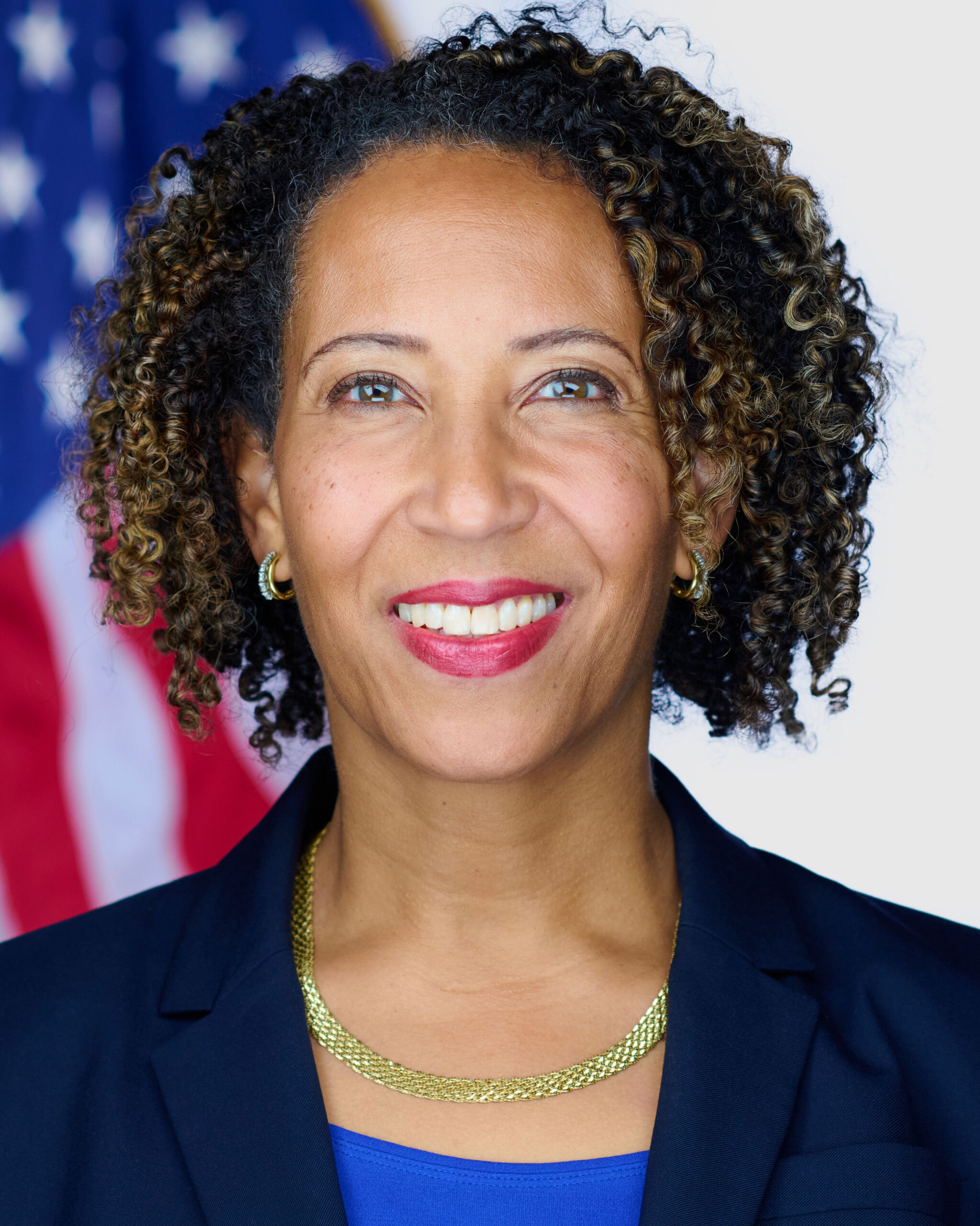
Dr. Garg then joins Dora Hughes, Chief Medical Officer and Director of the Center for Clinical Standards and Quality at CMS, for a conversation about the future of federal quality programs. They discuss reducing measures that do not provide actionable value, shifting toward outcomes, aligning measures across Medicare, Medicaid and Marketplace programs, and using technology to deliver information to clinicians when it can still influence care.
Their conversation also explores CMS’ QualTech initiative and how new technologies could strengthen patient safety, increase annual wellness visits, support real-time digital quality measurement and make quality information more transparent. At the same time, Dr. Hughes emphasizes that technology alone cannot solve every problem and that health care organizations must also build systems that reliably apply what is already known to improve care.
The episode concludes with highlights from “No More Hype: Turning AI Into Better Quality and Outcomes,” a Summit keynote moderated by NCQA Chief Medical Officer Ari Robicsek. Panelists Shiv Rao, Mark Sendak and Daniel Yang examine what responsible AI implementation requires, including rigorous testing, continuous monitoring, clinical accountability, vendor transparency and trust.
Through examples from Kaiser Permanente, Duke, Abridge and Vega Health, the panel demonstrates why successful AI implementation depends on more than technical performance. Organizations must evaluate tools in their own clinical environments, involve frontline users, monitor performance over time and create shared accountability for patient outcomes.
“
No single organization can cut through that glare on its own. But I think together, this community, all of us, can connect those lights and make the next thing very clear.”
Vivek Garg, MD, MBA
Highlights
Quality Needs Greater Focus
The health care quality ecosystem has accumulated an extensive collection of measures, standards, ratings, reporting programs and payment models. Dr. Garg argues that quality’s next chapter requires strengthening what creates value, retiring what no longer works and concentrating on signals that matter to patients, purchasers and policymakers.
Alignment Must Start Within the Quality Community
Fragmented programs and competing requirements can make improvement more difficult for clinicians and health care organizations. NCQA is working to align its own programs while collaborating with partners across the ecosystem to create clearer and more consistent expectations.
Quality Programs Must Demonstrate Results
Measures and accreditation programs should not be judged solely by whether organizations satisfy requirements. Their value should be demonstrated through better care, clearer clinical priorities and improved patient outcomes.
CMS Is Moving Toward Fewer, More Actionable Measures
CMS has reduced its measure portfolio from approximately 750 measures to 490. The agency is continuing to retire topped-out or nonactionable measures, expand the use of outcomes measures and improve alignment across Medicare, Medicaid, Marketplace and innovation programs.
Technology Can Make Quality Information More Timely
Digital measurement and AI may allow health care organizations to identify risks sooner and return quality information to clinicians while they can still intervene. CMS’ QualTech initiative is exploring technology applications related to patient safety, annual wellness visits, digital quality measurement and a national quality dashboard.
Responsible AI Requires Continuous Quality Assurance
Kaiser Permanente used phased deployment, clinician feedback and specialty-specific performance reviews to evaluate ambient AI before expanding its use. The experience demonstrates why health systems must continue monitoring AI after deployment and use real-world feedback to guide implementation and product improvement.
Trust Determines the Pace of AI Adoption
AI’s clinical potential depends on whether patients, clinicians and organizational leaders trust the technology and the systems governing it. Building that trust requires transparency, rigorous evaluation, effective governance and clear accountability among vendors and health care organizations.
Innovation Must Reach Beyond Major Health Systems
Smaller hospitals and community-based organizations may not have the internal expertise or infrastructure to assess, implement and monitor AI independently. The panel highlights the need for validated solutions and outside support that can reduce the implementation burden and help proven innovations reach more health care settings.
Outcomes Are the Ultimate Test
The episode closes with a central question for quality’s next chapter: Are people actually getting better? Success will depend on whether measures, accreditation, technology and partnerships translate into meaningful improvements for patients and families.