
Aging Together: Why Age-Friendly Care Is Everyone’s Future
America is aging rapidly. Learn how age-friendly care is helping healthcare organizations focus on what matters most to older adults while improving outcomes, reducing harm and creating a better experience for patients and caregivers.
Listen On:
About The Guests
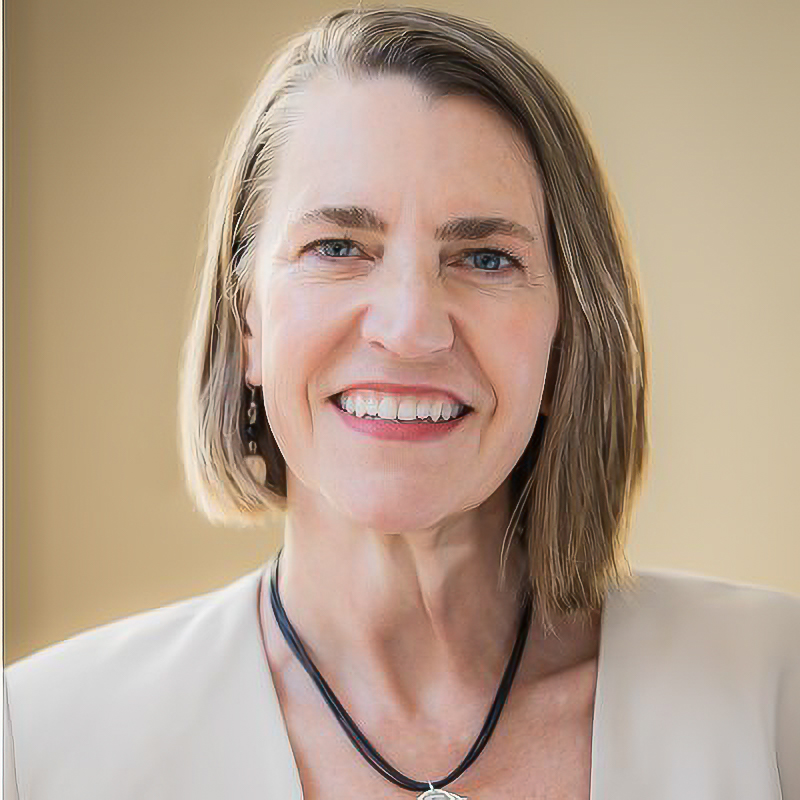
Rani Snyder is President of The John A. Hartford Foundation, a national philanthropy dedicated to improving the care of older adults. She has spent her career advancing aging and healthcare policy through leadership roles at The Commonwealth Fund, the Donald W. Reynolds Foundation and The John A. Hartford Foundation. She oversees initiatives focused on Age-Friendly Health Systems, family caregiving and serious illness and end-of-life care.
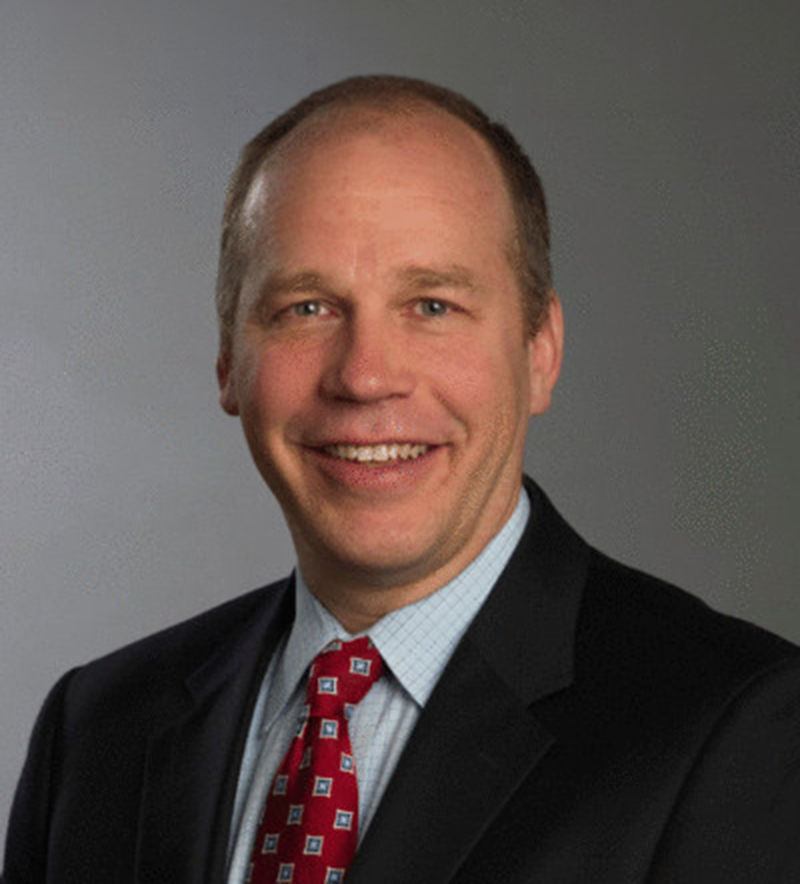
Eric Cahow leads Medicare Advantage performance strategy at Independence Blue Cross, serving approximately 150,000 Medicare beneficiaries across southeastern Pennsylvania. An economist by training, he has been a strong advocate for age-friendly care and healthcare payment models that support older adults’ needs. His work focuses on aligning quality measurement, care delivery and financial incentives to improve outcomes for aging populations.
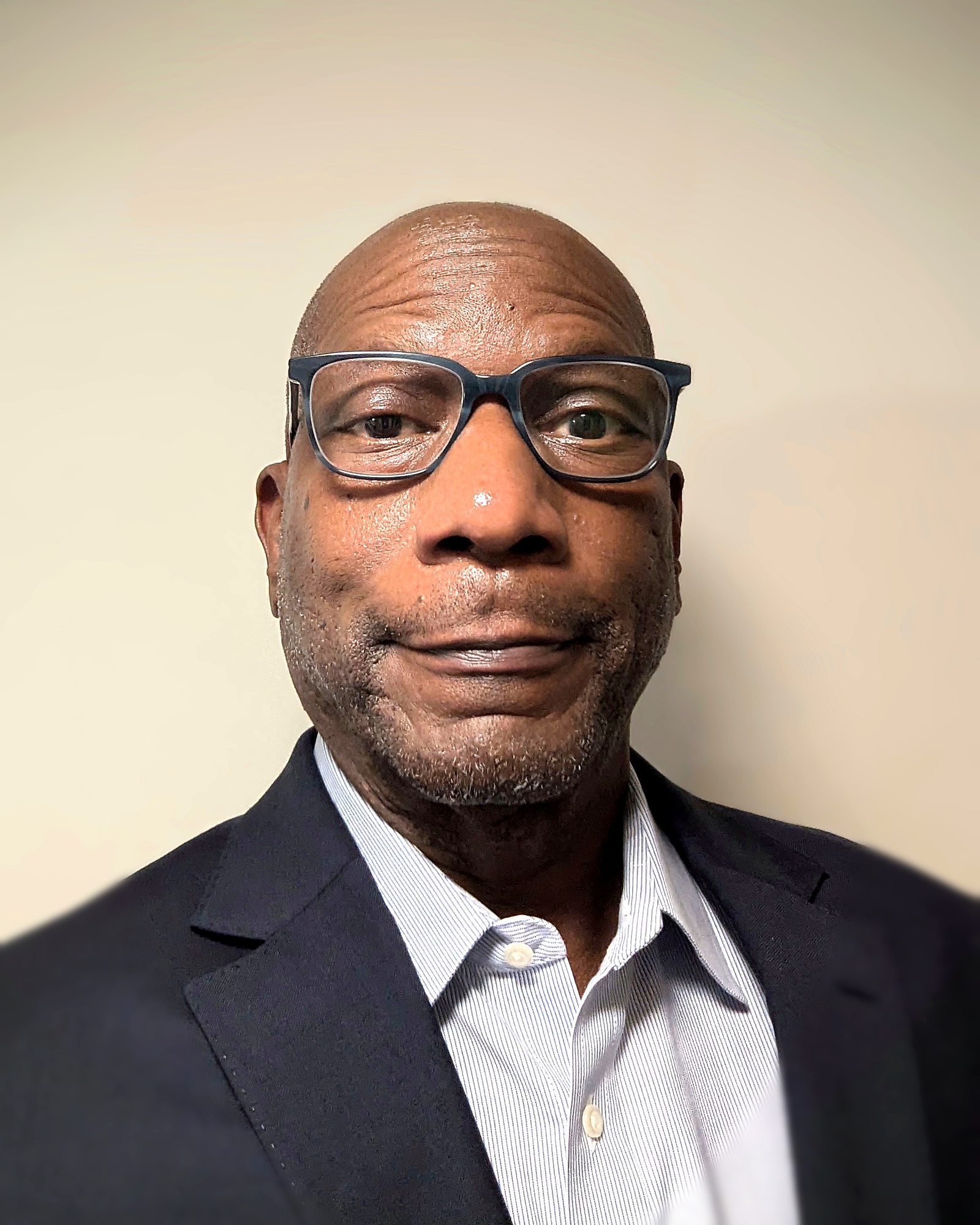
David M. (Dave) White, a proofreader at an international law firm, is a grateful kidney transplant recipient with expertise in person-centered care, patient engagement, and kidney disease awareness and prevention.
When Dave was told that his kidneys were no longer working during an emergency room visit, he was not ready or willing to accept the news. Fortunately, the care team at his dialysis clinic worked with him to develop a plan of care that empowered him to take charge of his health, and that’s exactly what happened.
Dave serves on many boards and committees, including the FDA’s Patient Engagement Advisory Committee, its first and only advisory committee whose members are all patients, caregivers, and representatives of patient organizations, and the National Committee for Quality Assurance’s Committee on Performance Measurement. He is also past Chair of PCORI’s Advisory Panel on Patient Engagement and the Kidney Health Initiative’s Patient and Family Partnership Council.
Dave’s mission is to promote population health through advocacy.
Episode Description
In this episode of Quality Matters, host Daniela Lawton explores how healthcare organizations can prepare for America’s rapidly growing older adult population through Age-Friendly Health Systems and the 4Ms framework: What Matters, Medication, Mentation and Mobility.
Joining the conversation are Rani Snyder, president of The John A. Hartford Foundation, and Eric Cahow, vice president of Government Markets Performance at Independence Blue Cross. Together, they discuss the origins and growth of the Age-Friendly Health Systems movement, the challenges and opportunities facing health plans and providers, and why aligning care with patients’ goals is essential for delivering better outcomes.
The conversation also examines the critical role of quality measurement, payment models and healthcare leadership in advancing age-friendly care at scale. Listeners will learn how organizations are already seeing reductions in hospital readmissions, falls and unnecessary medications through implementation of the 4Ms framework.
The episode features a special installment of The Patient Voice, where patient advocate Dave White shares his personal journey living with kidney disease, navigating dialysis and receiving a kidney transplant. His story highlights the importance of listening to patients, understanding what matters most to them and creating care experiences that evolve alongside their needs.
Dive Deeper
- The John A. Hartford Foundation
- Age-Friendly Health Systems Initiative
- Institute for Healthcare Improvement (IHI) Age-Friendly Health Systems
- American Hospital Association Age-Friendly Health Systems
- Independence Blue Cross
- NCQA Person-Centered Outcome (PCO) Measures
- NCQA HEDIS® Measures
- NCQA Health Plan Accreditation
- NCQA Population Health Program Accreditation
- Rani Snyder LinkedIn
- Eric Cahow LinkedIn
- Dave White LinkedIn
Timestamps
(00:00) Why Aging Matters
(01:47) Meet Rani Snyder and Eric Cahow
(05:44) How Age-Friendly Health Systems Began
(09:51) Medicare Advantage Readiness
(11:49) What Age-Friendly Care Looks Like in Practice
(14:37) The Role of Health Plans and Incentives
(17:24) Proof Points and Payment Reform
(20:55) Scaling Challenges and ROI
(25:36) Measuring What Matters
(28:27) Reframing Aging and Key Takeaways
(31:08) The Patient Voice: Dave White
(41:30) Closing Summary and Next Steps Links & Resources
