Hello there. Welcome, and thank you for joining us today. I think we're just going to get started shortly after a few more attendees join. So we're gonna give it one more minute. I see a few more people joining. We're just gonna give it one more minute before we get started, but thanks for joining us today. Alright. So thank you everyone for joining us for today's webinar. We are gonna get started now. And our webinar today is turning values into accreditation, how into action, how accreditation activated La Clinica's long standing mission. My name is Liz Ryder, and I'm an assistant director on NCQA's product management team. And today's discussion will be a discussion between myself and Brian Lambert of La Clinica, who I will invite to introduce himself properly in a moment. Before we get started, though, and I I kick it over to Brian, I wanted to mention that we will save some time at the end of today's webinar for some Q and A. So if you have a question for Brian or for NCQA, we invite you to use the Q and A function at the bottom toolbar to type your question in the Q and A box at any time. And we'll try to address as many of those questions as possible when we get to the q and a section. So please share those at any time, and we'll circle back around towards the end. Last thing, a copy of the recording for today's webinar is going to be made available afterward, but we are not planning to share a written summary of the q and a. So stay tuned after the webinar to get a recording of it. So with that being said, Brian, thank you so much for being here today with us. Can you please introduce yourself, your role, and tell us a little bit about LaClinica? Absolutely. Hi, everybody. I'm Brian Lambert, and I am the community building director for La Clinica. We are in Southern Oregon. And, unless you mistake what Southern Oregon means, we're on the complete opposite side of the state, than Portland is. And so we're closer to California than we are anything. And, I am a, my my background is actually in broadcasting, but about fifteen years ago, I transitioned into health care and and have been in several leadership roles here at La Clinica and now in the community building role. And happy to be with you. And I think if we can go on to the next slide, you know, we'll talk a little bit about the clinic, I I think, in a second too. But, you know, as we've gotten to know each other, Brian, and and preparing for this conversation today, you've alluded so much to LaClinica's mission and its community in Oregon and the work that it's been doing for some time, and that, you know, that work is not new. But I think the first question I wanted to ask you was what made with Clinica want to pursue health outcomes accreditation now knowing you have that long history and that long standing mission? Yeah. Absolutely. A a long history. And and, really, it comes down to is, living into our reputation. The clinic has been around for almost thirty years now, and it began as this small group of doctors working in rural Southern Oregon with a very specific group of people, migrant and seasonal workers working with with those folks and and have grown since then. In fact, I got a chance to see the building a couple of times, and it is a re it's literally a tiny little building on the side of the railroad tracks where La Clinica began. It reminds me a lot of the building I used to see care in back in in Illinois where there was a provider who works directly, with the black community. But the clinic has grown since then, and it's now seeking or seeing thirty two thousand patients or more than that, actually. All kinds of income levels, insurance levels, different demographics of folks. We do dental, behavioral health, pharmacy schools, and that's that's a lot of our background. But, what we were noticing is that our, our coordinated care organization, our local coordinated care organization, they handle court they coordinate care for our patients in in Oregon. They were giving us kudos for what we were doing. Also, organizations were saying, hey. We we like what you're doing. Can you replicate that? And it was confusing to us because we thought of ourselves as still this small little clinic doing good work, and yet we're we're huge. Right? And so when it comes to the standards, when we looked at them at first, it was like holding up a mirror. We were saying, oh, yeah. We do that. We we do that. We do that. We do that. And so it gave us I don't know, Liz, if you're familiar with this these these quadrants that take you from from unconscious or from conscious incompetence unconscious incompetence, you don't know what you don't know, all the way around to unconscious competence. So in a sense, we were in this unconscious competence level where we were like we didn't realize that that we were, quote, pros at this stuff. And what the the accreditation standards allowed us to do is to really see and replicate and talk about the things that we were doing. So I know that's a long version, but it really was a a a framework that allowed us to talk more about what we do. Yeah. And I think in a lot of ways that anticipates the next question I was going to ask you. To to preface that really quickly for any anyone in the audience who is not familiar with health outcomes accreditation, it dovetails really nicely to a population like La Clinica has, populations that might have linguistic barriers, who might have very specific cultural needs and and other needs that are, you know, kind of core to or or adjacent to the standards in the program. So collecting information to know your population, know the needs, provide services that overcome potential barriers or areas where we we know there are often barriers, things like language. So my next question for you was going to be, you know, knowing that just by the nature of what you're doing and the unconscious competence that kind of comes along with that even if you're not explicitly thinking about yourself and your organization that way and and having those competencies. What did health outcomes accreditation, whether the the standards or going through the process, anything kind of in that category, what did it help you do that LaClinica wasn't already doing with that unconsciously competent body of work that you have? Yeah. It helped us tell our story for one thing, you know, that when we are unconsciously competent, we can we can tell a story about that we do great patient care, and people really respond to that. But when it came to funders or it came to people who were really holding us accountable, we didn't have a structure to really tell our story. And so the the standards themselves served as a really good talking points, for example. At at one point, I had to memorize. So, you know, making sure that the organization was ready, making sure that we're collecting data, language access, preparing our our staff. I'm getting good at this. Then there was having a full on program, and then finally, actually reducing inequity. So we were able to to talk systematically about our organization. It also, though, helped us formalize our language access program. We had we had great systems in place. You know, a good a good part of our population are monolingual Spanish speakers. And so a lot of our staff are bilingual, and so we have systems in place for serving those patients. But what the accreditation process helped us do is see what it takes to really formalize and standardize those processes. That was there. And then strengthening cross departmental relationships. This process required lots of calling in of favors, asking people for help, whether it's data analytics, communication department, our HR department. We all had to work in concert to be able to do this, And so it really strengthened those relationships over time. So those are things that were were sort of in place, but it just it helped us do, it at a much higher level. Yeah. And, Brian, I really want to commend you because I it it has struck me many times in speaking to you about this program and and and preparing for this conversation today, how literate you've become in the different parts of the standards. And I think that's really a a reflection of two things. Perhaps, you know, just it it might feel one zero one for La Clinica in some ways. It's probably many of these things are probably very familiar to your organization. But the other piece I I think that it really shines through, how often you must have had conversations and and kind of talked through different parts of the standards in preparing to go through survey and thinking through what gaps you may or may not have in the organization. So I wanted to compliment you that it definitely comes through that it's something that you've used to have cross departmental communication and conversations about the future. Yeah. Yeah. Thank you. So that being said, I know that for a lot of people in this call and a lot of conversations I have in my daily life, a lot of question around, you know, I can see this value. I might sit in, like, the accreditation team, the community engagement team, or a a class team or a QA team, something like that. I can see, you know, really clearly how this would connect to my work and how it's going to impact the outcomes that my team is held accountable for improving or monitoring. But how do I have that conversation with my leadership team? How do I get their buy in and and get their excitement the same way that I'm feeling it? What are the, you know, types of questions or or positioning or things that I should mention? So having gone through that process yourself, how did you get buy in from La Clinica's leadership? I'm laughing because it was it was almost the reverse where our our leadership, in fact, one specific leader, our CEO, convinced me. And it was I I was so I was new to the clinic when we went through the patient centered medical home model with NCQA, and I didn't know anything. I I didn't honestly, I didn't know NCQA was, like, a big deal in health care. I just thought there were some some letters behind it, kinda like JD Powers and Associates or whatever for car sales. And so when I first came to the clinic about fifteen years ago, it was, oh, we are so proud to be NCQA. And and so then it came up again when our CEO started talking about this accreditation process. And I'm like, okay. So we're just it's it's just gonna be another badge of honor. Gonna have a trophy for the work that we were already doing. And and so I was a little skeptical about that. And and then it became really clear really quickly what what a lift it would actually be to to achieve these standards. And and so then I got a little nervous about how we were going to to do this. And and then I was reminded of some other heavy lifts that we've had in the past. So we have these, what we call our serve standards. And, you know, most people have customer service standards, but we really took them seriously. We looked at best practices across the across the nation. We built the standards, of course. We talked about what the point of view of staff. We talked about the point of view of patients. We dug into the data for feedback. And and then we we use process improvement strategies to really implement, and we had, great results. And so the standards the NCQA standards, from my point of view, very much looked like that. It required you to look up data and use data, be very data informed. It required process improvement, you know, analyzing what was what you were seeing, trying again, doing better, all of that. Training staff, that was a huge part of our SERVE standards. It's a huge part also of the NCQA standards. So I was reminded that we've done this very big lift before, and it translated into something successful. And so it it it became clear after that that going through this process would would translate our our vision for making sure we were treating pay and there's our vision right there on the screen. Our vision for for absolute excellence, translating that into health outcomes, really great health outcomes. By the way, this this picture, I just have to say, if if you lived in in Southern Oregon in the Medford area, you would see this picture on the side of our mobile health van that van. It's a huge RV, and it has all kinds of I mean, it has a dental chair, and it has a medical chair where we see patients out in the field. And this image is painted on the side of it, so I'm pretty proud of that. I I think that there's a lot to be proud of, and it's occurred to me as, you know, you were answering that last question. When we're thinking about implementation for health outcomes accreditation, it seems like a lot of that actually happened very far in advance. They weren't things that you did in the year or so leading up to a submission or your survey date. These are things that had become kind of a familiar muscle or things that you had gained, you know, competency in the past for, like you said, other things that you you wanted to look at, especially the the data pieces. So I am curious when you're thinking about the implementation process, and feel free to answer, you know, in terms of implementation in the past for things that you were surveyed on ultimately, most recently with accreditation or the the kind of that last sprint to accreditation where you had identified some gaps and were in the process of tightening up those gaps to prepare for a survey. But that implementation process, whether you're thinking about long term or just that kind of gap closure before your survey, what did that process of implementation look like for you? And, you know, how did that, if you can tell us a little bit, improve your existing processes or policies? Yeah. So our you know, in terms of the the the long term preparation, you're right. We've already been we've always been oriented toward this this type of work that the that the that the framework was designed to to highlight. And so we were already doing that work. But what the implementation, that last sprint, as you describe it, that that two year sprint or longer, was the best way I could put it was like like putting together a a master's thesis, honestly. It it was taking all of our accumulated knowledge. So all the stuff we learned in, the years before, all the things that we had to do, and then putting it in a coherent form so that it could be judged by by a surveyor, by the by the good folks at NCQA, which was you know, turned out to be a a good experience. But but taking all of this accumulated knowledge, look at it and say, yeah. This is this is good work and putting it in a format that was, that could be understood from outside. And then the added benefit is it could be better understood from the inside. And, and then, like I said, to to have it reviewed, acknowledged, and then we had something that we were holding ourselves accountable. And in terms of policies and procedures, it definitely helped us improve that in the sense that our policies, the way our policies are designed is that we have a a policy statement that tells us the why of things, and it could be just a little short paragraph that tells us the why. And then we have the procedures that tell us the how. And those are really written for for our leaders to see how, for our board to be able to see how we're doing things to approve our policies. But what the accreditation helped us improve were the actual workflows that were necessary to implement these policies. Because as was necessary in providing the evidence to NCQA, We had to show screenshots of of workflows, and we we had to show our processes for doing this. And so we were really able to tighten that up. Thankfully, our process improvement program here, they're they're really good at that kind of stuff, they have a lot of that stuff. But it just reminded us to make sure that we have that top of mind for our staff who are serving patients. So definitely accumulating the knowledge to share with others and then, of course, making sure that that our policies and procedures extended beyond a document and then turned into actual work. We were able to operationalize that. You know, I hope that the the description of a survey prep process as a master's thesis isn't too intimidating, but I think it's an it's an apt metaphor, Brian, because as you said, you know, this is accumulated knowledge and experience and things that you've built and things you're doing every day in workflows, things you've designed and interacted with patients. It is actually a really large body of work when you think about how would you describe all of that in a cohesive narrative. So I I do think it is an apt metaphor. I hope it's not too intimidating for anyone on the call. And it it sounds like you've found it to be a useful effort even if initially daunting to think about. Absolutely. Yeah. Yeah. I mean, it it reinforced the it brought you know, I used the example earlier of this this unconscious competence. It it brought that that consciousness there and where where we could be really proud of what we were doing. And it's a big value of ours to to share what we know with our community partners and our patients. And so it's so having going through that process brought a lot of that up to consciousness and so that we could share it and replicate it in our community. Yeah. And I know that you spoke earlier about how having this cohesive narrative, distilling something really comprehensive into something that is comprehensible and and kind of portable even a little bit. But I'm curious to, you know, beyond your board, beyond internal staff, and I think you might have mentioned partners before. How did going through this process, either being able to tell the story or anything along the way that you implemented or discovered or surfaced during that process, how has any of that changed your relationship with your patients and with your community? Yeah. I when I saw this question, Liz, my my first answer was gonna be, it didn't. You know, we we are we've always had a great relationship. They they, you know, the community has always loved us. And, yeah, NCQA was great. Honestly, though, go going through the process required just like the serve standards that I talked about earlier. So those are our service, empathy, relationship, value, and excellence. So going, doing that, implementing that require training and increasing our staff's communication skills. And so then you translate that to, for example, collecting data from patients. Very sensitive data in some cases. I remember reminding some of our staff that they have gotten used to when they are asking questions about a person's income, you know, their job, their housing status, that those are already sensitive questions. And so as we increase their skills to be able to collect patient data, that created communication skills, and people noticed. People were paying attention to that. And so that was that was huge. And then because we were we're getting good at at paying attention to our patients' needs, patients who may not be seeking care. Otherwise, we had our community health workers that were going out into the community and then also our our population health folks who are calling our patients. And what those two things did is that it increased our relationships or it improved our relationships with our community partners, folks who are also serving the needs of patients. And so, we just really solidified our our communication or our relationship with our patients through the direct questions about their, you know, collecting data and improving communication skills and then with our community partners. Because we we share a lot of the same patients slash clients, and so that is is a big part of what we do. This this image that you're seeing on the screen, for example, these are two, two we we're an organization of five hundred and some folks, and so I don't know everybody, but I know these two, Anna Maria and Sofia. And they part of what they do is they run cooking classes and, you know, show folks how to, eat healthy and at an affordable cost. And so this is a picture of of them doing this, an example of of our people. So I I I smile when I see this picture. Yeah. You know? And and I also as we were talking beforehand, I know that, a piece of this too, you know, we talked about communication and up skilling being something that your staff benefited from at La Clinica, as well as it seems, you know, internally with your partners and with your patients and community members. But, you know, aside from even, like, the benefits of upskilling and more knowledge, I wanted to ask you about the change in the relationship between as an employer and, you know, its relationship with its staff? So not just that focus on upskilling them, but how did it change your relationship internally? Yeah. The timing was was interesting because as we started really considering accreditation, this was about the same time people were coming back to the office after the pandemic. It seems forever ago, but that that was that was the timing when we were looking at it. And people were were in the office for the first time after a long time, but we were still pretty isolated in our spaces. Wearing masks when we were in group spaces, very very much not connected with with one another. And so we were trying to find a way to bring well, it it was we were trying to find a way to to bring our organization's foundations back front and center, and we actually created twelve foundations to to do that. And this is just a little background to answer your question. So we developed these foundations, and some of them, I I have some delivering world class care. So we we had this foundation that was titled delivering world class care. We had leaders record videos about how to do that. We had a whole narrative around that. Be authentically you. Listen generously. So, again, what we found ourselves doing, just kinda like the policy and the procedure thing that I talked about, the the the the statement and then the how from a high level, what the accreditation process allowed us to do is to operationalize that. And what that did is everybody could see their direct connection to the foundations and to health outcomes. And whether you were a billing specialist, an interpreter, a data analyst, people were able to see how their work had a direct, connection to the patient outcomes. And so it we we couldn't have planned it better, the the timing of that. People felt like the sense of belonging, of course, because we had we created these foundations that reminded folks of this, but the accreditation process got them to see that last step of how their work is having an impact on patient care, whether they see themselves as a direct care provider or not. And so that was that really did that was game changing, and I think that it it really it gave everybody a sense of shared vision. Yeah. I think that's a really great way to or or also to highlight the value that some roles bring in ways that are not obvious. Like, you mentioned interpreters earlier, and I know that's a particular focus for your organization with its population and where it sits geographically. You know? And I think that, you know, being able to say, you know, this is not just a person that I call into the room or call out to the the front desk or ask to join me on the phone under certain circumstances. This is someone who's directly helping me reach some other goal that I have for this patient or someone who's walked through the door or someone who has showed up for a community event. So what a lovely way to communicate that role and connect it back to your mission, which, you know, I I think most people at your organization who work there and stay there do feel that connection to your mission. So it's nice to have that reaffirmed. Absolutely. It's not it's not unusual, for example, if if somebody is is out and about and wearing their badge for somebody to say, oh, you work at La Clinica. You know, I I I love it there. And, and, you know, what's it like? And we we were often we we joke that, that that that our well, we don't joke. We know this. That our our staff are our best recruiters. We're excellent people because they get noticed because they're exceptional exceptional people, and they talk about where they work. And then and then they invite other exceptional people to come and work with us. Well, I know that we've covered a lot of ground, and I really appreciate the thoughtful answers that you've given. I think that one of the last questions I wanna ask you, and you can answer this again in terms of the accreditation, or I know this work extends back much further, so it's okay if you if you wanna layer some in the some of that in as well. But when you think about everything that La Clinica has accomplished at this point after earning your accreditation, I think being ready soon for your renewal survey, you know, what are you most proud of? Like, you, Brian Lambert, what are you most proud of when you think about everything La Clinica has accomplished? Well so so I'm I'm I'm I'm proud of our language access program, and I'm gonna talk about that in in a second. I'm proud about our class program. But selfishly, I I remember the day that we got notification that we had achieved accreditation. So I I gave the metaphor of a master's thesis, and I wasn't thinking about it in that way before, but but we put a lot of work in this. And then when we got that letter that day, I was I was I was so proud. I I can remember. So you can't see how my office is situated, but we've got a an atrium over that way. And on the other side of that is the printer. And so I'm I'm I I wanted to go tell somebody, but I also wanted to have a letter in hand. And so I printed it, and I'm looking around. I run upstairs to tell our chief operation officer and, you know, just kinda burst in her office and hand her this letter. I don't even know what she must have thought I was doing, and she carefully re I mean, we're friends, but she carefully reads it like, what is this dude doing? And sure enough, of course, it's the that we were accredited. So I'm I'm really proud of of the work that that we put in to do to achieve such, you know, such a thing. I mean, I I am proud of that. And so in some ways, it is kind of a badge of honor in in that way. And then more specifically, the language access program. This is a a program that we have been it has been in our DNA since the very beginning. We've hired, just just by the nature of who we are serving, we we had a lot of bilingual, bicultural staff. And then, of course, we grew to serving anybody and everybody. And part of what we knew is that patients do better when they are receiving care in the language that they use at home. And so we knew that. And we were doing it organically in a lot of ways. And what this program allowed us to do, because in part, because of a lot of the questions that that I and my colleagues were asking of the folks who were running the the program. You know, do we have this? Give me a picture of the contract. How how do we, analyze quality? How do you know? So we're asking them all of these questions, and it it required bringing that stuff together. And what it led to was a a formalized council. We run on a counseling committee structure here at the clinic. It sounds a lot more official than it it really is, but it's about, I mean, it is official, but it it it is about, making sure that it is that instead of top down, it's bottom up. And so there's a group of councils that report to committees that that report to to senior leaders and the board. And so this the language access became an actual council where we had where and and I I have the pleasure of being a part of this council now where we've created a a work plan. We hold folks accountable. We even accomplished, and I'm super proud of this, something that has been for a long time, and that is requiring our our providers, our doctors, our PAs, our nurse practitioners to to test to to test to proficiency in the other in in languages that they use. Now this was I mean, these are folks who have been working with families for a long time and and successfully communicating with them. And so there was this gap of we have to test you to show that you're proficient. And the the standards really helped us to be able to show an evidence based program that that showed that this wasn't just leadership saying you need to do this, but this was evidence that patients receive care if someone is competent in the language. And then there's the class program. And and similarly to the language access program, we were doing lots of things, but bringing it all together in a in a a body of work that was measurable, that that we had I mean, we I I I joke about well, I say a joke. I I probably joke too much. But we we have I I nerd it out around around SMART goals because we started implementing SMART goals. And for those of you who don't know, SMART goals are, I have it written down here, specific, measurable, achievable, relevant, and time bound. And I even wrote a song about it. I'm not gonna sing it to you, but I I will recite it. And that is if you want to make a SMART goal, then here's what you'll do. Make sure it is specific and measurable for you. Achievable and relevant avoids a big fat mess, and having a timetable ensures you'll have success. And so being able to take things that we have already been doing and making sure that it was, you know, measurable, that it was specific, measurable, time bound, achievable. All of that was really satisfying and having a cohesive, culturally and linguistically appropriate program. Yeah. That's that's a lot to be proud of. And I I think particularly exciting kind of calling back to one of the earlier things you mentioned being proud of the bottom up. And it sounds like you were able to get a lot of really strong engagement and activation of your staff who were themselves members of the community that LaClinica serves. So there's a lot to be proud of there. And I also wanna thank you for that anecdote, Brian, because I I think NCQA has this reputation as being the gold standard for some things, but I really enjoyed an anecdote that cast us a little bit differently as maybe, like, a a golden ticket, like, in in ***** Wonka. So thank you for the love there. That that was new to me. And, you know, I I think that the very last question that I have for you before we start moving into the q and a and and open it up to answer audience questions Can say something? I'm sorry, Liz. Can I say something about that picture real quick just because I talked about our our mobile unit? This is inside our mobile unit, by the way. And so there is a a dental chair and a medical chair in that. I think we might even have two medical chairs. It's it's it's a fantastic, and we're we're pretty proud of it. So and there are some chairs. I would not have guessed that that was inside a mobile unit. That's an inside of of a mobile unit. And we and it's a hard fought unit because we the our new mobile health unit was here on the ground for about a week, and, unfortunately, it it burned down. We had a gentleman who was trying to get in from the cold and lit a fire, and it, you know, burned it down. And so, it was a heavy lift to, to get this back out into the community, and the community really supported it. And so I'm pretty proud of talking about it. It sounds like you have a lot of things to be proud of, and I I will also once again commend you. You should be proud of, you know, going through this program for, you know, the first time. I know that you have a recognition for patients that are medical home, but this program is a lot more demanding than that, and La Clinica did very wonderful. So I I commend you on that too. I I hope that you all feel very proud of such a wonderful score as a new organization. So last question, you know, thinking about others who, you know, might look like yours in terms of the types of communities they serve, the types of health care services or, you know, health related social needs services that they provide or connect people to. You know, being new to accreditation and and how daunting that might feel, what advice would you give to other organizations that look a little bit like yours in any of those categories? Yeah. There there there are three pieces of advice that I'd give, and, I was thinking about what I would call a prerequisite. And and that is a really solid relationship between the top leader in the organization, so CEO, executive director, and the top champion of this program. If that relationship is not strong, I I I think I put that on the the the top leader as the responsible party in this. If that relationship isn't strong in terms of of trust, then I think that it it organization is really gonna struggle there. So if that's not there yet, I would, I would encourage folks to get that figured out. You know? Because this is not something you can just say, hey. Go out and get this accreditation for me, and and I'll be in a boardroom somewhere. I think they have to work collaboratively together, and there has to be a lot of trust built. So with that aside, my advice is to look at everything through the lens of mission first. I I have done some consulting work, and one of the things that that I've always done is is had organizations who are trying to make improvement look at their mission, Be reinspired by the mission. Why are they doing this in the first place? I I call it or I don't call it this, but, if you're a Star Trek fan, then you know about the prime directive. Think of the mission as the prime directive. Any decision that's gonna be made, including going for, for accreditation, make sure that it is mission focused. Second is to stop chasing problems and look for finding opportunities. This is the type of work that that I do and that maybe other folks on the call. It's easy to look for gaps in service. But people don't wanna hear I mean, our colleagues don't wanna hear about what they're not doing and the problems, and it doesn't feel good to always be looking for problems. So look for opportunities. The two quotes that I think about when I think about this, and one is and and, Liz, I hope you don't regret having me on here because this could be a little woo woo. But my late uncle Jerry, when I was I I was in a webinar very similar to to this, and somebody was talking about how daunting the the their work was and that there was just problem after problem after problem and and just how can they do what they do? And I I swear I heard my uncle Jerry's voice. And so then I repeated it, and that was, you've done enough, and there's more to do. And that acknowledges the work that folks are doing who are here to do good work and then look for opportunities. And the other one is a quote from Maya Angelou, and that is do the best you can until you know better. And then when you know better, do better. Again, it focuses on what's working well or acknowledges it, and then it looks for more opportunities. And then the other is to have fun and celebrate wins. There there are wins all along the way, and and there are gonna be some nerds in your organization who love to do research, who love to put PDFs together, who love to do all that kind of stuff. Include them, and then cheer them on. And then when you accomplish it, you know, celebrate with with yourselves, with your patients, with your community. So that those are my three pieces of advice and the the prerequisite of of a good partnership between leaders. I think that that is really wonderful advice. You know, if I can make a selfish plug on NCQA's behalf for accreditation. If you are looking for something that's going to ask you to look at your mission, set goals that make sense with your mission, and focus on something actionable, those opportunities, and give everyone a role in a kind of team sport. NCQA likes to say some things are, this is our Olympics. And for some teams, the accreditation process is that. So I I think if that is something that interests you, accreditation could be something for you. But if not, I think there's a lot of lessons to learn from just having this mindset, if not a framework for accountability like accreditation is. I think it will carry you far. Carry you. So with that being said, I know that when we when we started the webinar, we jumped right in because I wanted to spend as much time as possible hearing from Brian today. And in the meantime, we've had some questions trickle in. So, Brian, if you don't mind, I'm gonna pitch you some questions. And I think the first one that we got was in working towards this change in your facility, how do you create the culture that accreditation is for everyone, not just, say, the coordinator or the quality department? Yeah. So, I mean, in some ways, I don't know if I can give a real satisfying answer because we we always involve all staff in creating what we want. And so the that structure that I talked about of the council and committee structure, that was already in place where people can see themselves in, in the outcomes. And so if if you already have a structure in place where people can, can see that they are contributing to the, the overall success of the organization, then when the organization takes on a new initiative, people can see themselves in that. But if you if if if decisions are being made without the folks in the room already, then I think it's gonna there there's gonna be some issues. So it wasn't about convincing other people as much as following our process already, and that is just reminding people, hey. We're taking on this initiative, and you've got this expertise, and I need your help. And this also because we did it through the filter of our prime directive, through the filter of our mission, folks understood that that it was already a part of what was what was valuable. Now there's always gonna be somebody who is kinda like kinda like I was when I first joined the clinic. Like, what? Who's NCQA? What that's what what is that all about? And that just means some good communication skills about explaining the why, explaining the how it matches our mission. So that that's the that's the best I can do on that question. I think you've been answering that question in some way in almost every response that you've given at this point. Just being able to pull together things that people people are already doing by virtue of Brian and others being the people putting together that cohesive narrative. You know, you have to have those conversations, as you said, Brian. You know, I need information on this. This thing that you're doing, it's contributing to this overall outcome, whether that's accreditation or a specific mission aligned goal for your patient population. That's an entry point for that conversation about how everyone's work feeds into something bigger or or broader than maybe they have their eye on. And the the prep process itself is kind of a someone said it was like a passport. They get to have it in hand and go around and tell people, this is what we're doing. This is where this is going. Now this is where you factor into it and and how I need your help in reaching that goal. So I have another question here. And, Brian, I don't know if you would prefer to sing this or submit it in writing at some point, but someone has asked that you share your SMART goals song or as it was recited to us, a poem. Well, as if I mean, I can re recite it. I could submit. I don't have the text in front of me to put it in the chat, but, yeah, I and you can transcribe it. I'm not gonna sing it. I think to be fair to you, unless you would like to do another dramatic reading of your smart goal poem, do you have access to the the chat function? I think if so, it's kind of a default that whatever you type there will go out to everyone. Ah, okay. Yeah. I don't I don't by the time so I don't have it electronically right now to to put in the chat. But Why don't why don't we say this? When we get to the wrap up, I'm going to be talking for a bit. And then if you have time, maybe you could drop it in the chat. Okay. Alright. So we have another question for Brian. Can you provide some examples of how health outcomes accreditation differs from PCMH certification or recognition? You know, I I, Liz, you might be better positioned to answer that question because what what I can tell you, because I came on board just as as, we were, we had done the patient center medical home model. I I think what I would say and and and you can you can answer. But what I would say is that that that the former is much more clinic focused, the care team themselves evolving and and changing into becoming a a primary care model. And and so it's more clinic focused, whereas this is much more organizational focused. I don't think you can do this without the whole organization transforming. So those are the difference from from my perspective having joined the clinic on the tail end of the PCMH model. Yeah. Let's I'll I'll team up with an answer on this one. So for those of you that are familiar with patients that are in medical home, what you will notice is there is a lot in common in terms of we expect in a recognized PCMH that you know your practice because you've been collecting information about their needs and their demographics. You are also picking goals for the overall population as well as for individual patients who are in care management, and you are doing quality improvement and measurement there. The difference that you'll find with health outcomes accreditation, as Brian said, there is a lot more focus for good reason given the name, patient centered medical home. The focus is, on one hand, a bit more at, like, the population health level, but a core part of that program is everything that you need to do to provide truly person centered team based care. That last piece is not a focus of health outcomes accreditation. This is much more of a population focus, and there is a lot more focus on the standardized data collection. We are a lot more prescriptive in health outcomes accreditation about what is being collected and documented for each of those data types so that it can be used in a standardized way and kind of aggregated at that population level. So I would say a lot in common, but two different goals. Patient centered care, like, in terms of me as a patient, patient centered medical home is going to get me much further there, but in terms of population health and making sure that me as an individual, I, at the end of the day, I have things that I need, like access to language services, that is more of the health outcomes accreditation lane. So I think we have time for one more question. Brian says, our organization's leaders are definitely on board and provide support for NCQA accreditations. That's not an issue. The next thing I'm looking into is making sure our policies and procedures align with NCQA's elements. Do you recommend anything else I should tackle first in addition to the policies and procedures? I would say, kinda like I was saying earlier, the the actual workflows that that get from the procedures, get from the policy itself to to the work that that staff do. So how do staff know how to follow the procedure other than the fact that policies are available to them? And so having that documented process available where you can find all of that. So you can find the policies themselves, but how does that translate into working directly with patients? There's gonna be a lot of asks for that body of work. And that that's kind of the most challenging is that you've got a lot of exemplars out there who probably have been doing it, and then they pass on their knowledge to somewhere else and somewhere else, but it never gets written down. So finding, locating all of those is gonna be, really important to be successful. Yeah. I wholeheartedly agree. The only other thing I would maybe mention, depending on where you are in terms of any of the requirements with data collection and systems related to data collection and analysis, If you are relatively close to the beginning of your journey, there's still a lot of things left to do to get more to that prescriptive standardized data collection or maybe your platform or methods for analyzing data need a little bit more robustness to meet those standards, those are things that I would start thinking about sooner rather than later because they can be some of the things that take the longest to implement. And, you know, there's certainly a difference perhaps in in what systems you have, if you have a standardized EHR or something that's already set up that way versus something that you've made to be, you know, very well tailored to what your organization's needs are and the different use cases you have for this data. That story might look very different for you. But I would look at that first just in case it's one of those times where it might be a longer journey than just turning on a functionality that your EHR already has, for example. So I know that we are running short on time, and there's just a few things that I wanted to mention. First though, Brian, thank you so much for joining us today. Thank you for your time, but also thank you for your thoughtful answers. I know that some people on this call might already have an accreditation and are trying to think about how these same activities that they've already committed to are being played out in the care delivery space and in different communities like yours. Others might be thinking about whether this is a good fit for them or even, you know, how they should think about something that's just of interest to them. So having your perspective, long perspective, and broad perspective has been really helpful, and we really appreciate your time today. You're very welcome. Thank you, everybody. And I just pasted the SMART goals song in the chat. Thank you. So last things to wrap up. So, you know, I wanted to share with you some resources that might be helpful today. You know, Brian spoke about NCQA's health outcomes accreditation. If that's something you're interested in learning more about and thinking about how it might help your organization better understand and work to improve your population's health outcomes, address their needs, you can visit n c q a dot org slash health dash outcomes, and I'm gonna ask someone on NCQA staff to drop that in the chat for me real fast. And we also have a brand new playbook that I would be excited to share. It's called cracking the code, a health equity analytics implementation playbook for health care organizations, and that is something that offers a practical framework for organizations that wanna move from identifying disparities to acting on them. This is a free resource. It's a playbook that's intended to help health plans, health systems, practices, and quality improvement teams in any kind of health care setting to select and build a health equity scoring approach using advanced analytics to combine multiple quality measures and multiple demographic factors, so getting that intersectional kind of dimension so that they can better detect health disparities, track progress on addressing those disparities, and to overall just guide their improvement efforts. So if that's of interest to you, there is a QR code here, or you can visit the website that's below, the n c q a dot org slash health equity playbook, and I'm hoping that someone else could drop that in the chat as well, just so people can copy and paste. And if you'll move on to the next slide, the last thing I wanna mention is if any of you have ever been to one of NCQA's annual health innovation summits, you will know that it is a great event that is enjoyable, informative, and a great place to network and and make connections and talk about best practices similar to what Brian has done for us today. This year's Health Innovation Summit's theme, quality's next chapter, will focus on reflecting NCQA's commitment to advancing digital quality, modernizing measurement efforts, reducing burden, and embedding health equity into everything that we do in partnership between clinicians, health plans, systems, and communities. So, you know, this this is a place to bring together health care quality leaders, everyone from payers, providers, technology partners, and policy stakeholders to focus on what matters most, which is better strategies, measurable results, and really important partnerships that move quality forward. So if you are interested in joining us, we hope that you will go to NCQA summit, all one word, dot com to learn more. It will be in Atlanta this year from October fourth to seventh. So with that, thank you all for your time today, and we hope that, you know, this was time well spent for you. Sincere thank you to both Brian and to the entire La Clinica team for bringing us their perspective today. It's an honor and a pleasure and a meaningful conversation to us. So thank you. Don't forget to complete the post event survey that will pop up automatically as you close your Zoom window. Thanks again, and have a great day.
View Transcript
Turning Values into Action: How Accreditation Activated La Clinica’s Long-Standing Mission
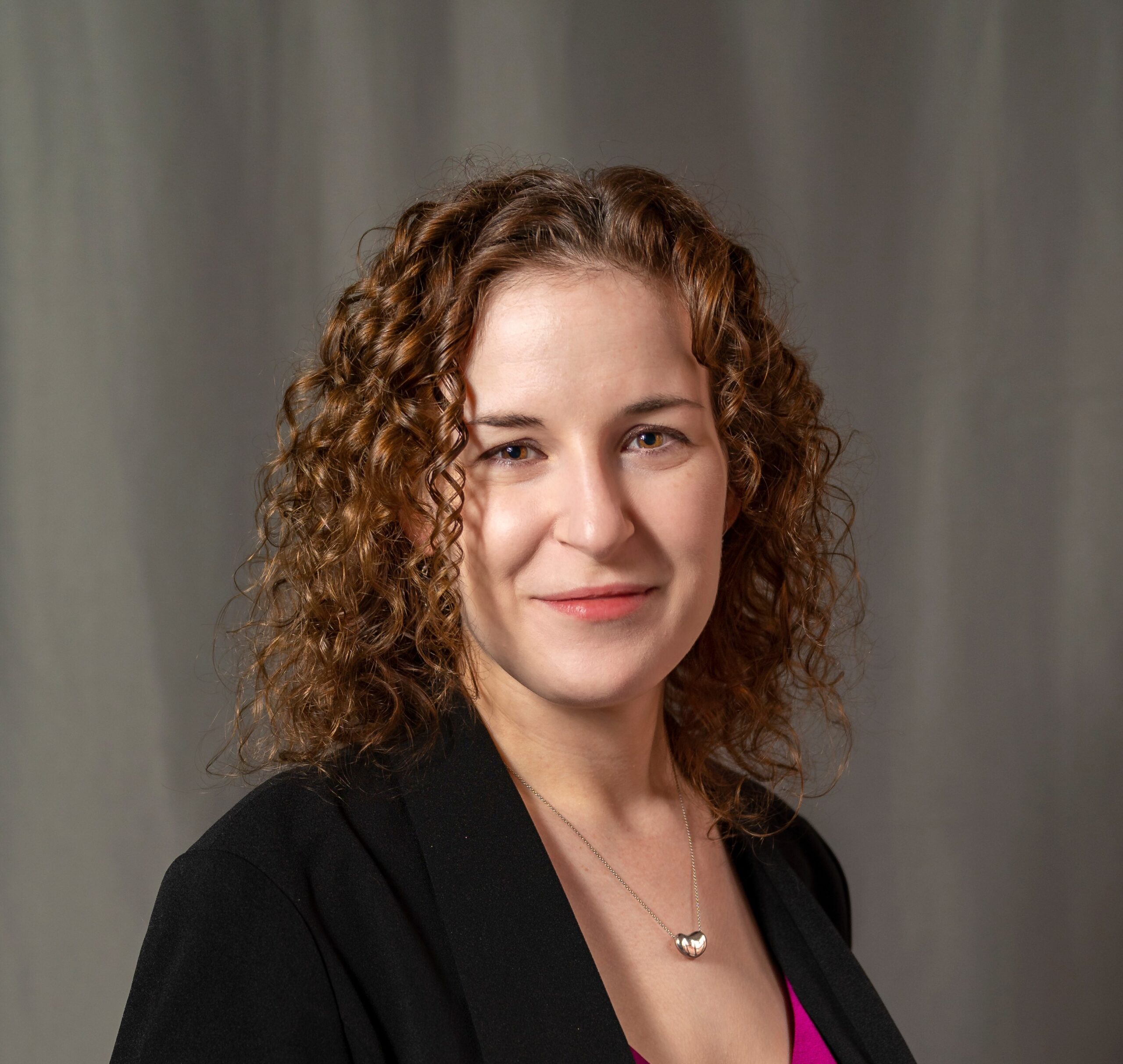
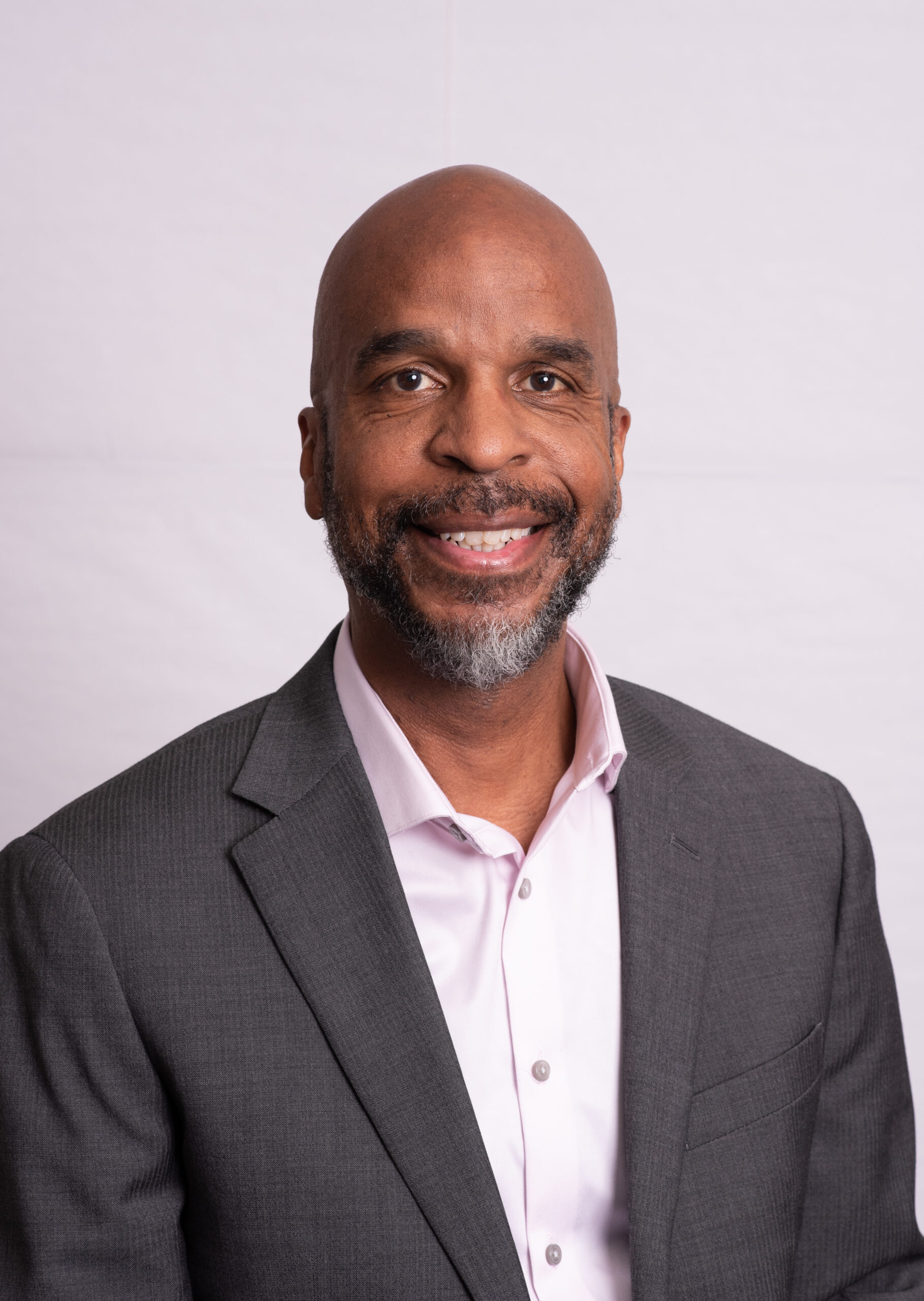
During this webinar, La Clinica, a federally-qualified health center (FQHC) located in Oregon, spoke about how their organization used NCQA Health Outcomes Accreditation to strengthen trust with patients, deepen accountability, and turn long-standing health equity value into measurable action. Bryon Lambert, La Clinica’s Community Building Director, shared how his organization uses accreditation to reaffirm its commitment to delivering safe, respectful care to patients and the community. This webinar offers a candid, tactical look at what it takes to move from good intentions to demonstrable impact—through the lens of an FQHC with deep roots in its community.
NCQA
La Clinica
