
The NCQA Board of Directors provides strategic guidance and expert oversight in support of NCQA’s mission to improve the quality of healthcare. The Board plays a central role in advancing healthcare quality, modernizing with digital transformation and shaping the future of person-centered care.
Meet The NCQA Board
The NCQA Board has decades of experience in healthcare delivery, quality measurement, health information technology, health policy and leadership across clinical, academic, government, nonprofit and private sectors. Together, they provide multi‑stakeholder guidance to advance NCQA’s mission through accreditation, standards, performance measurement and expert support.
William Alexander, MD, FACP

William Alexander, MD, FACP, is a nationally recognized healthcare quality leader with a lengthy career as an administrator and in academia. He is currently President of Alexander Healthcare Consulting, LLC., where he provides consulting services on healthcare quality improvement, health equity, population health and clinical quality strategy to health plans. He was formerly the Plan Performance Medical Director at Amerigroup Community Care of Georgia, an Elevance Health company, where he oversaw the healthcare of Amerigroup Georgia’s 574,000 members and served as the principal medical manager and policy advisor to the health plan.
A board-certified internal medicine and infectious disease physician, Dr. Alexander has served as a member of the Infant Mortality Task Force of the Georgia Department of Public Health and the Georgia Maternal Mortality Review Committee. He also serves on the Advisory Board of the Institute of Health Administration at Georgia State University.
Dr. Alexander was a member of the Georgia Medicaid Credentialing Committee and the Georgia Department of Community Health’s Medical Care Advisory Committee. He is a member of the American Association for Physician Leadership.
Before joining Amerigroup, Dr. Alexander served as Vice President of Administration and Strategic Management and was the Senior Advisor to the President and Assistant Dean for Health Care Quality at Morehouse School of Medicine. Previously, Dr. Alexander served as National Quality Medical Director for Cigna HealthCare, where he developed the company’s clinical quality strategy.
Thomas J. Betlach

Tom Betlach joined Speire as a partner to advise government and private sector clients on complex health policy and strategic initiatives. He is a nationally recognized thought leader on Medicaid and health care policy, known for his expertise in serving complex populations, delivery system transformation, value-based purchasing, managed care and cost containment. Prior to joining Speire, Tom spent 27 years serving in a variety of leadership roles for the state of Arizona. He served five different governors in three different cabinet positions.
Most recently, Tom served as director of the Arizona Health Care Cost Containment System (AHCCCS), Arizona’s state Medicaid agency, where he reported directly to the governor. AHCCCS provided health care coverage to 1.9 million Arizonans at an annual cost of $13 billion.
He is former President of the National Association of Medicaid Directors. He is also a board member for Circle the City, the SCAN Foundation and Mutual Insurance Company of Arizona. Mr. Betlach earned his BA degree in Political Science from the University of Wisconsin and his MPA from the University of Arizona.
Asaf Bitton, MD, MPH
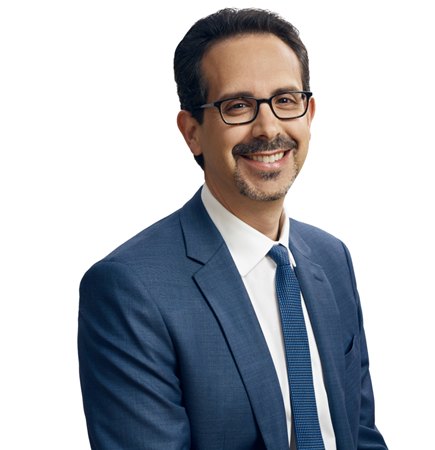
Asaf Bitton, MD, MPH is the Executive Director of Ariadne Labs, a health systems innovation center of over 100 staff and faculty at the Harvard T.H. Chan School of Public Health and Brigham and Women’s Hospital in Boston, MA. He is an Associate Professor of Medicine and Health Care Policy at Harvard Medical School and the Harvard T.H. Chan School of Public Health. He leads Ariadne Labs’ efforts to design, test and spread scalable solutions that make domestic and global health systems more effective, safe and integrated. Annually, Ariadne’s solutions (checklists, technologies, clinical protocols and other interventions) focused on childbirth, primary care, surgery, home hospital, population genomics and serious illness care reach over 140 million patients every year around the globe.
Dr. Bitton has served as a Senior Advisor for Primary Care and Payment Policy at the Center for Medicare and Medicaid Innovation since 2012, helping to design and implement six major federal initiatives representing the largest tests and implementations of combined primary care payment and clinical practice transformation work in the United States. He was a core founder and leader of the Primary Health Care Performance Initiative, an 8-year partnership between the Gates Foundation, WHO, World Bank and UNICEF that included more than 30 countries dedicated to improving the measurement and global provision of primary health care. Dr. Bitton practices primary care internal medicine at Brigham and Women’s South Huntington clinic, a team-based community primary care practice in Boston that he helped found in 2011.
He currently serves on the board of the National Committee for Quality Assurance (NCQA), and is a member of the Center for Strategic and International Studies Bipartisan Commission on Strengthening America’s Health Security. He is also a member of the Executive Forum at the Health Care Payment Learning and Action Network (HCP-LAN), and co-chairs their Prevention Working Group. He was a member of the National Academies of Sciences, Engineering and Medicine committee that produced the widely cited report Implementing High-Quality Primary Care: Rebuilding the Foundation of Health Care in 2021, and currently serves on the National Academies Standing Committee for Primary Care, co-chairing the Payment Workgroup. He is an elected member of the International Academy of Quality and Safety and was the recipient of the 2023 Barbara Starfield Primary Care Leadership Award.
Anne B. Docimo, MD, MBA
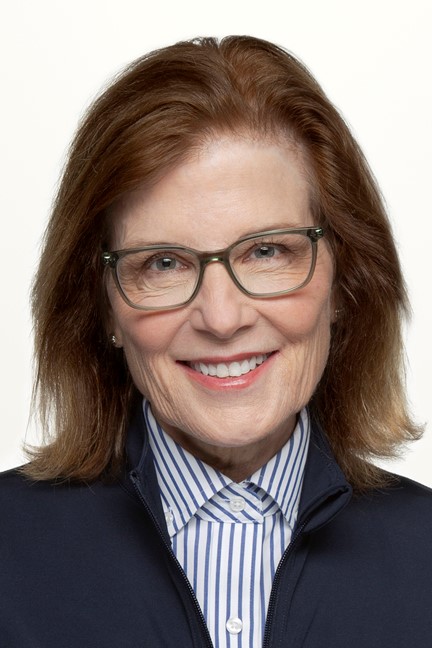
Dr. Anne Boland Docimo is chief medical officer of UnitedHealthcare, where she is responsible for more than 50 million members in UnitedHealthcare’s Commercial, Medicare and Medicaid health plans. She is also a member of the UnitedHealthcare Executive Council and served as the chair of the UnitedHealth Group Clinical Systems Governance Committee, guiding the development of clinical technology platforms, capabilities, applications and data models.
Dr. Docimo has served in executive-level, physician leader roles for more than 25 years. As a practicing clinician in primary care and emergency medicine, she worked in private practice, as a government contractor, in a staff-model HMO and in academic medical centers. Most recently, Dr. Docimo served as the chief medical officer and EVP, population health, for Jefferson Health in Philadelphia.
Prior to joining Jefferson Health, Dr. Docimo was the founding chief medical officer for UPMC Health Plan, owned by the University of Pittsburgh Medical Center (UPMC). She concurrently served as senior medical director of UPMC Hospitals.
Dr. Docimo serves on the board of directors for the National Committee for Quality Assurance (NCQA). She is a member of the American College of Emergency Physicians, Pennsylvania Medical Society, the American Medical Association, and the Pharmacy and Therapeutics Society. She is published in both journals and books.
Dana Erickson, RRT, RN, BSN
 Dana Erickson, president and chief executive officer of Blue Cross and Blue Shield of Minnesota, is responsible for overseeing the strategy and operations of the state’s largest non-profit health plan.
During her tenure, Erickson has guided significant market growth and delivered substantial cost-of-care savings for members. Under her leadership, the organization has achieved an historic enrollment milestone, surpassing 3 million members for the first time in its 90-year history.
Erickson joined Blue Cross in 2015 and previously served in leadership roles in the organization’s health services division, most recently as senior vice president. Before coming to Blue Cross, Erickson held clinical and medical leadership roles at Univita Health and Optum Health. Additionally, Erickson spent two years serving in Anoka County as a nursing leader. Erickson is a registered nurse and respiratory therapist.
Erickson studied social work at the University of Wisconsin-Eau Claire and holds a bachelor’s degree in nursing from the University of Wisconsin-Milwaukee. She currently serves on the boards of the Blue Cross and Blue Shield of Minnesota Foundation, The Blue Cross Board of Trustees, BCS Financial, Greater MSP, Medical Alley, Sutter Health, and Portico Healthnet, a Minnesota-based nonprofit that works to help uninsured individuals and families access affordable coverage and care.
John Glaser, PhD, Chair

John is an Executive-in-Residence at the Harvard Medical School Executive Education. Previously he was Chief Executive Officer of Siemens Health Services. Prior to Siemens, John was Chief Information Officer at Partners HealthCare.
John was the founding chair of the College of Healthcare Information Management Executives and the past-president of the Healthcare Information and Management Systems Society. He is currently the board chair of the Scottsdale Institute. He is former Senior Advisor to the Office of the National Coordinator for Health Information Technology.
He has authored many articles and books on the strategic application of IT in healthcare. He is on the faculty of the UTHealth McWilliams School of Biomedical Informatics and the Harvard School of Public Health. Previously he served on the faculty of the Wharton School at the University of Pennsylvania.
Kate McEvoy, JD

Kate McEvoy is the Executive Director of the National Association of Medicaid Directors (NAMD). NAMD is the dynamic and engaged professional community for state leaders who provide health insurance to and improve the well-being and economic security of the more than 77 million individuals and families served by Medicaid and CHIP in each of the 50 states, the District of Columbia, and the U.S. territories.
Prior to joining NAMD, Kate led the Milbank Memorial Fund’s leadership programming for state executive branch staff and policymakers as well as its policy initiatives on healthy aging. Before her time at Milbank, she was the long-time Director of Health Services for Connecticut’s Department of Social Services, where she led Medicaid, CHIP, long-term services and supports, and implementation of the ACA. Kate oversaw major transformation in the program, migrating from capitated managed care arrangements to a successful self-insured, managed fee-for-service approach. This simplified and streamlined the program, freed up resources for reinvestment, improved member experience and outcomes, and controlled costs.
An elder law attorney by training, Kate’s early career was dedicated to working with and for older adults and people with disabilities at the Connecticut Association of Area Agencies on Aging. Her central focus since then has been on people served by Medicaid. Kate holds a J.D. from the University of Connecticut School of Law and a B.A. in English and Economics from Oberlin College and is the author of journal articles on elder law and end-of-life care as well as the treatise Connecticut Elder Law.
Julie V. Murchinson

Julie V. Murchinson is a Partner with Transformation Capital, a leading growth equity fund focused exclusively on digital health and novel care delivery models. She has held leadership roles in health IT policy and strategy consulting, two start-up companies (one through IPO), investment firms, and a non-profit.
Prior to joining Transformation Capital, Julie built and led Health Evolution, the industry’s premier convening company that connects the most influential leaders. Previously, she was Managing Director at Manatt Health and fell in love with healthcare’s challenges and opportunities early in her career with CareScience, Deloitte Consulting and Ernst & Young.
Julie serves on the Board of the National Committee for Quality Assurance and DexCare, the External Advisory Board for the University of Pennsylvania’s Leonard Davis Institute of Health Economics, and the Advisory Board for Prealize. She is also an EIR with the Scottsdale Institute, a contributor to the 4Sight Health Roundup podcast, and a member of the Franklin & Marshall College Leadership Council. Julie received her MBA in Healthcare and Operations Management from The Wharton School at the University of Pennsylvania and her BA in Business Management and Accounting from Franklin & Marshall College.
Geoffrey Neimark, MD
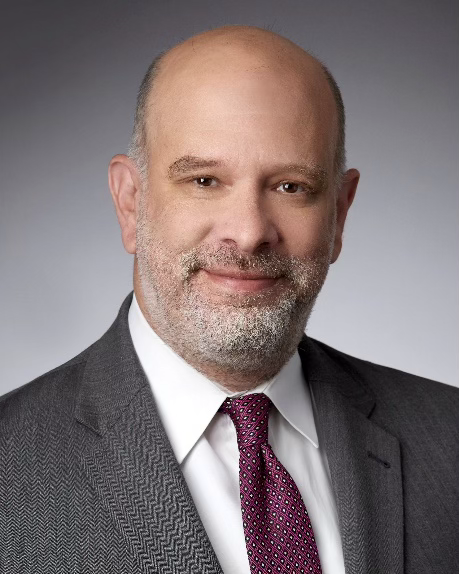 Dr. Geoffrey Neimark is Chief Medical Officer at Community Care Behavioral Health, where he provides oversight for multiple teams including physicians, psychologists, quality management, value based purchasing and pharmacy, and is responsible for Community Care’s medical and quality operations. He was previously Chief Medical Officer of Community Behavioral Health in Philadelphia, Pennsylvania.
Dr. Neimark completed his undergraduate work at Haverford College and received his medical degree from SUNY Downstate, where he graduated Summa Cum Laude and was elected to AOA. He completed his residency, including a role as Chief Resident, at the University of Pennsylvania. Dr. Neimark has completed additional training in adult psychoanalysis and continues to have a small practice. He was inducted as a fellow at the Philadelphia College of Physicians and serves on the clinical faculty at both the University of Pennsylvania and Drexel University.
J. Marc Overhage, MD, PhD
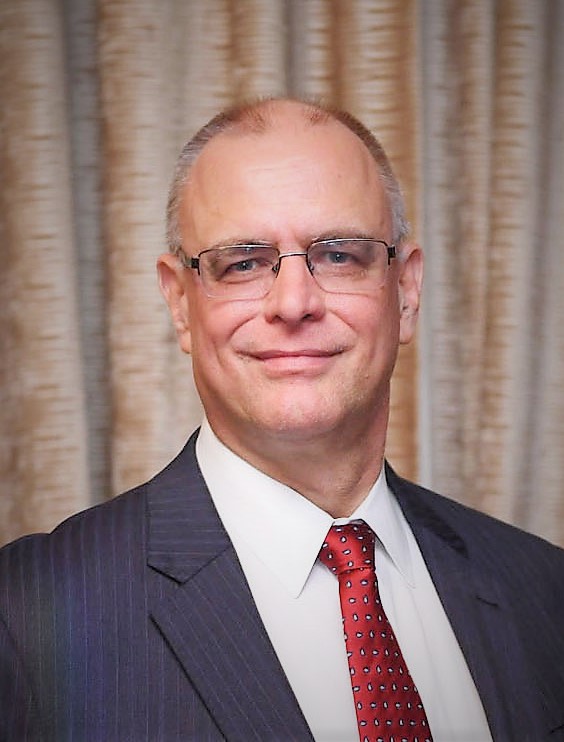 J. Marc Overhage, MD, PhD is an experienced health care executive with a proven track record in leading digital health transformations across significant health care organizations.
In his professional experience, Dr. Overhage has held significant roles such as Staff Vice President for Health Informatics and Data Architectures at Elevance Health, Vice President of Strategic Intelligence and Chief Medical Information Officer at Cerner Corporation, and Founding CEO of the Indiana Health Information Exchange. He also co-founded TriaAxia Health, a startup that combines clinical and genomic data to support biopharma and life science companies.
Dr. Overhage has also contributed to national health information technology (HIT) policy through service on federal advisory committees and influential national organizations. His leadership roles in key organizations, including the Health Information Management Systems Society (HIMSS), Health Level Seven International (HL7), and the American Medical Informatics Association (AMIA), exemplify his commitment to enhancing health IT.
He holds a doctorate in Biophysics and completed medical training at Indiana University School of Medicine, followed by an internship, residency, and fellowship in General Internal Medicine (medical informatics).
Jaewon Ryu, MD, JD
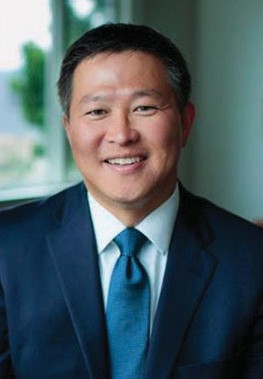
Jaewon Ryu, MD, JD, is the CEO of Risant Health, after having served as the President and CEO of Geisinger, its inaugural member organization. Risant Health is a nonprofit organization created by Kaiser Permanente to expand and accelerate the adoption and success of value-based care in diverse, multi-payer, multi-provider, health system environments across the country. By doing so, it seeks to improve the health of the communities it serves, achieve better health outcomes and improve health care affordability.
Dr. Ryu came to Geisinger in 2016 from Humana, where he was responsible for the company’s care delivery functions and capabilities, and previously, he held various leadership roles at the University of Illinois Hospital & Health Sciences System, Kaiser Permanente, and in government at the Centers for Medicare & Medicaid Services and as a White House Fellow placed at the Department of Veterans Affairs. He started his career as a practicing corporate healthcare attorney.
Dr. Ryu recently completed a full, two-term stint (2018-2024) on the Medicare Payment Advisory Commission (MedPAC), a body legislatively tasked with advising Congress on policies governing health plans and providers serving Medicare beneficiaries. Currently, he serves on the boards of various organizations, including the National Committee for Quality Assurance (NCQA), the Commonwealth Fund and the KP Medical Foundation.
William Shrank, MD, MSHS

Dr. William Shrank is CEO of Aradigm, launched in 2024. Aradigm is a carved-out insurance and services platform for cell and gene therapy aimed at improving access and affordability of transformative therapies. Previously, Dr. Shrank served as Venture Partner, Bio and Health at Andreessen Horowitz, and prior to that he served as Chief Medical Officer for Humana, where his responsibilities included implementing Humana’s integrated care delivery strategy. In other private sector roles, Dr. Shrank served as Chief Medical Officer, Insurance Services Division at UPMC, and Chief Scientific Officer at CVS Health. Dr. Shrank served in the federal government as Director, Research and Rapid-Cycle Evaluation Group, for the Center for Medicare and Medicaid Innovation.
Dr. Shrank began his career as a practicing physician with Brigham and Women’s Hospital in Boston and as an Assistant Professor at Harvard Medical School where his research focused on improving access, affordability and adherence to essential medication therapies.
Susan Stuard
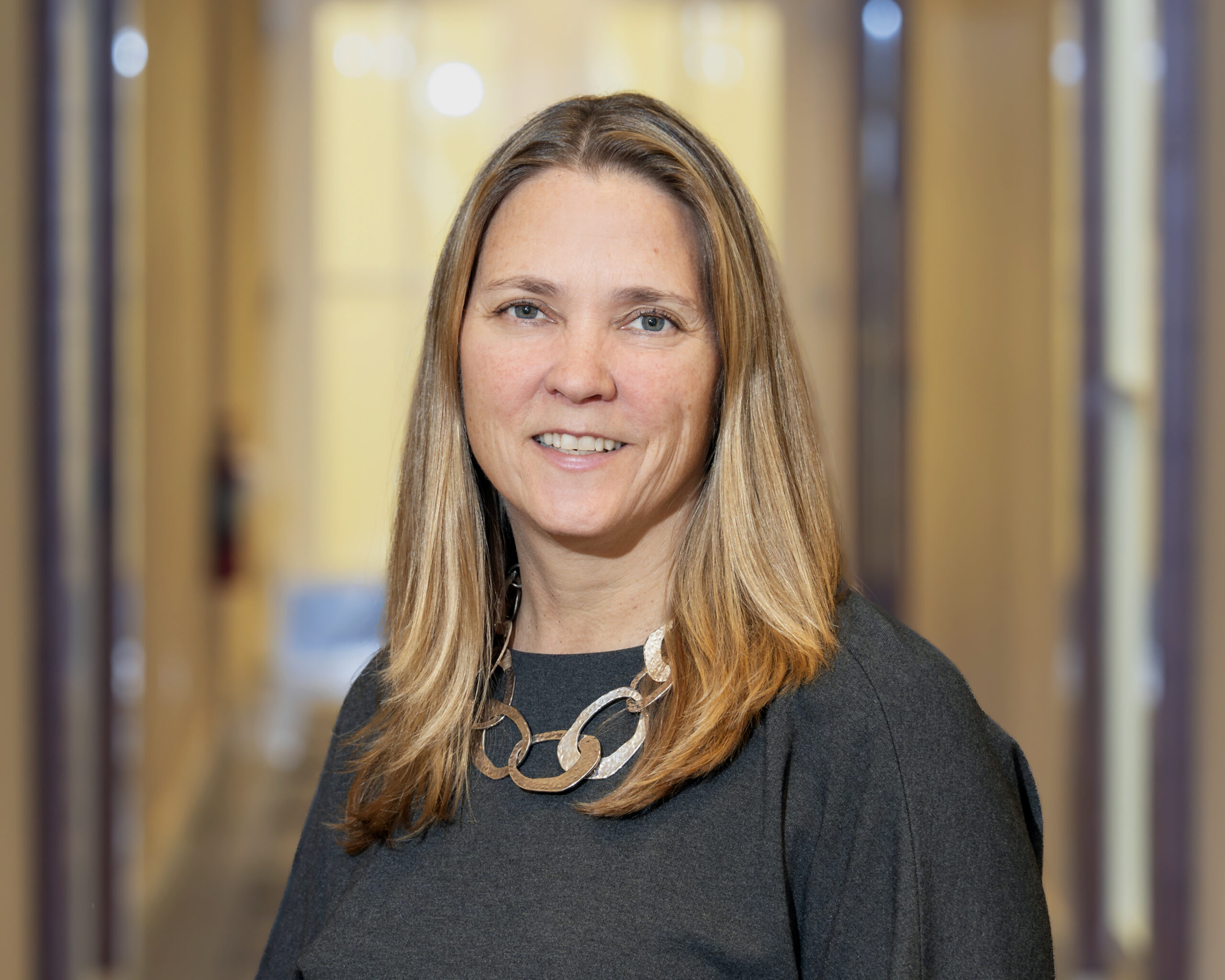
Susan Stuard is a Director at the Center for Evidence-based Policy at OHSU where she helps states to evaluate policy changes by facilitating stakeholder input processes, developing and analyzing policy frameworks, translating evidence into policy outcomes, and helping states create strategies and decision-tools to enable change. From 2008 to 2015, Ms. Stuard led THINC, the not-for-profit convening organization focused on health care quality and primary care transformation in the Hudson Valley region of New York. Prior to THINC, she was the Director for Technology Policy development at the New York-Presbyterian Hospital and the Vice President of Regulatory Affairs for the Greater New York Hospital Association. Ms. Stuard holds an MBA from the Yale School of Management.
Lynn Todman, PhD
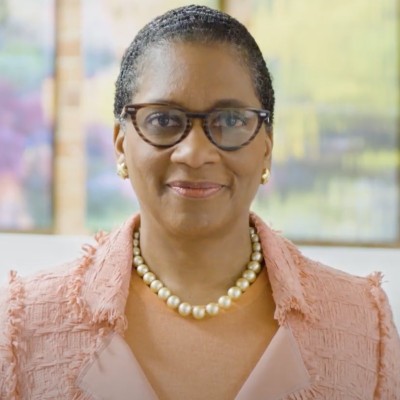
Dr. Todman is Professor and Chair of the Department of Population Health at the School of Global Health (SGH) at the Meharry College of Medicine (MMC), located in Nashville, TN. At SGH, she is responsible for setting and executing the strategic direction of the newest graduate school at MMC. In her previous role, Lynn served as Vice President of Health Impact and Strategy at Corewell Health, Michigan’s largest healthcare system, where she held three progressively senior leadership positions, developing the vision, strategy and action plans for enhancing the health of individuals and communities served by the enterprise.
Before joining Corewell, Lynn held teaching and research positions at institutions worldwide, including the University of Milan (Italy), the Royal Institute of Technology (Sweden) and the Massachusetts Institute of Technology. In addition to being a Robert Wood Johnson Foundation Culture of Health Leader, Lynn has held numerous board positions, spanning higher education, healthcare, banking, philanthropy, government and international aid.
Dr. Todman earned a PhD in Urban and Regional Planning and a Master’s in City Planning (MCP) from the Massachusetts Institute of Technology (MIT), as well as a BA in Art History and Architectural Design from Wellesley College.
Thomas Tsang, MD, MPH

Dr. Tsang is currently the Chief Medical Officer for Omada Health, a digital healthcare company focused on cardiometabolic care and chronic disease management. He was the founding CEO of Valera Health, a telemental health provider serving patients with severe mental illness. An experienced leader in mental health, he is also the former Chief Medical Officer at Healthcare Services and Solutions, a Merck wholly owned subsidiary. Prior to Merck, he worked on the Affordable Care Act as a Congressional staffer on the House Ways and Means Committee through the Robert Wood Johnson Foundation/Institute of Medicine Health Policy Fellowship. As Medical Director at the Office of the National Coordinator for HIT, Dr. Tsang contributed to the development of ACO regulations and a national framework for the use of health information technology and electronic health records to improve coordination and quality. He currently serves as a Director for BCBS Kansas City.
Sara Vaezy

Sara Vaezy is the Chief Product and Technology Officer at Chartis. In this role, she is responsible for Chartis’ data platform and technology infrastructure, analytics and insights, and technology product development. Sara has over 20 years of experience and brings a unique vantage point, having worked at the intersection of healthcare delivery, policy, health services research, technology incubation, new company creation and consumerism.
Prior to joining Chartis, she was Executive Vice President and Chief Transformation Officer for Providence, where she led their approach to artificial Intelligence—including strategy, governance and guardrail, infrastructure, and product development, as well as responsible adoption and use case prioritization. She also led consumer digital, brand and marketing, and virtual care for Providence, driving the organization’s strategy for sustainable growth and hybrid care models.
Sara serves as a board director of multiple organizations including AARP Services Inc (ASI), the for-profit services arm of the AARP and the National Committee for Quality Assurance (NCQA). She is a clinical faculty member of the University of Washington School of Public Health and a former faculty member of the Harvard Executive Education program, where she taught courses on digital health strategy and innovation. She has received numerous awards and honors, including the Modern Health Innovators Award (2024), Rock Health Top 50 in Digital Health Luminary (2022), and Business Insider’s 30 under 40 Transforming the Future of Healthcare (2019). Her writing has been featured in many publications including Harvard Business Review, Geekwire, Forbes and the New England Journal of Medicine Catalyst.
Sara holds a Master of Health Administration and a Master of Public Health in Health Policy from the University of Washington School of Public Health, as well as Bachelor of Arts degrees in Physics and Philosophy from the University of California, Berkeley.
-
Save
Save your favorite pages and receive notifications whenever they’re updated.
You will be prompted to log in to your NCQA account.
Save your favorite pages and receive notifications whenever they’re updated.
You will be prompted to log in to your NCQA account.
-
Email
Share this page with a friend or colleague by Email.
We do not share your information with third parties.
Share this page with a friend or colleague by Email.
We do not share your information with third parties.
-
Print
Print this page.
Print this page.